Most roof-cost articles either dodge the question or quote a national average that is useless in Los Angeles. We publish planning ranges for the work we actually do, and we would rather show you those — with an honest explanation of what moves a real bid inside or outside them — than pretend a single number exists.
| Roofing system | Published 2026 planning range |
|---|---|
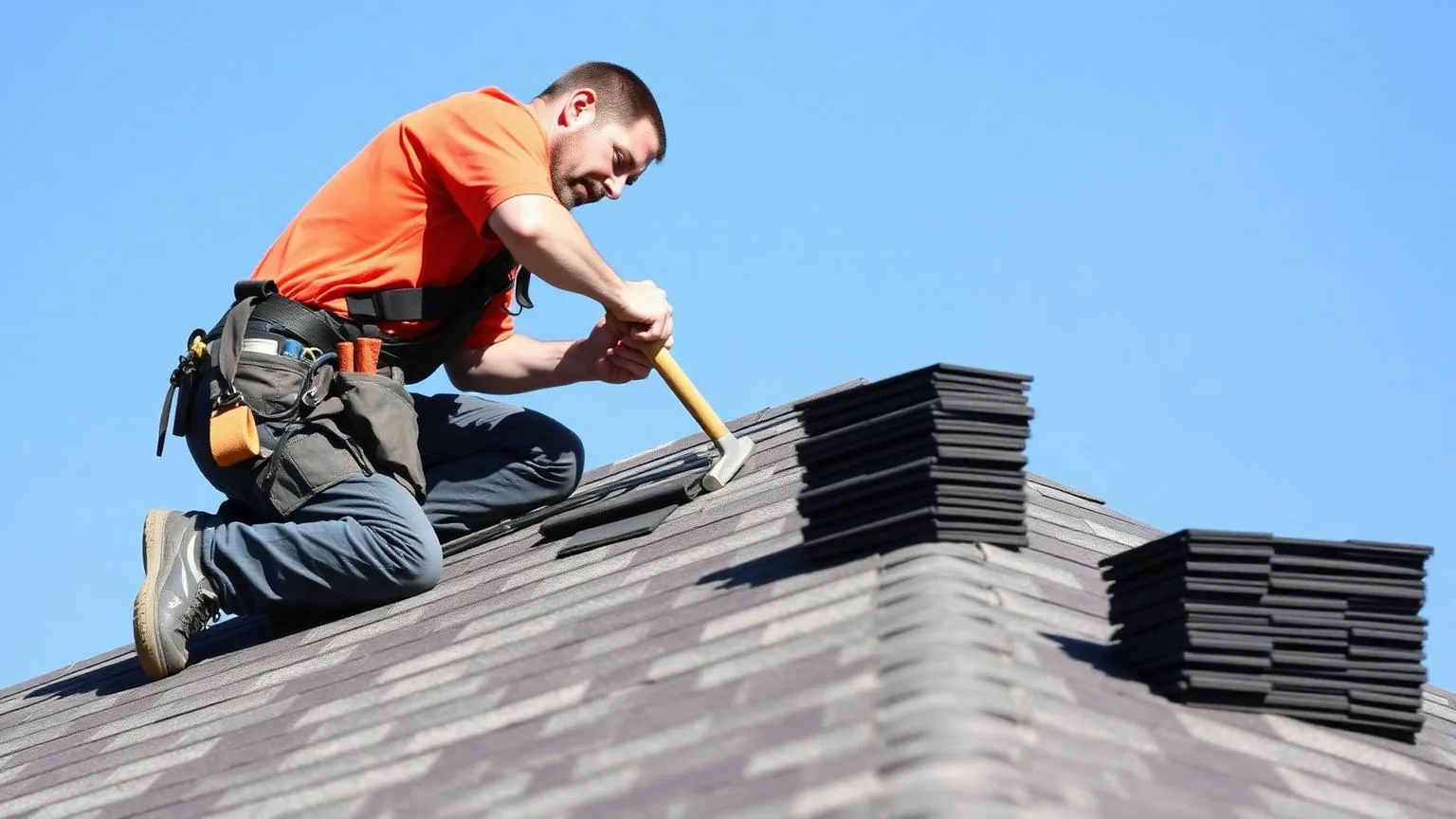
| Asphalt shingle replacement | $9,000–$20,000 |
| Tile re-roof | $18,000–$40,000+ |
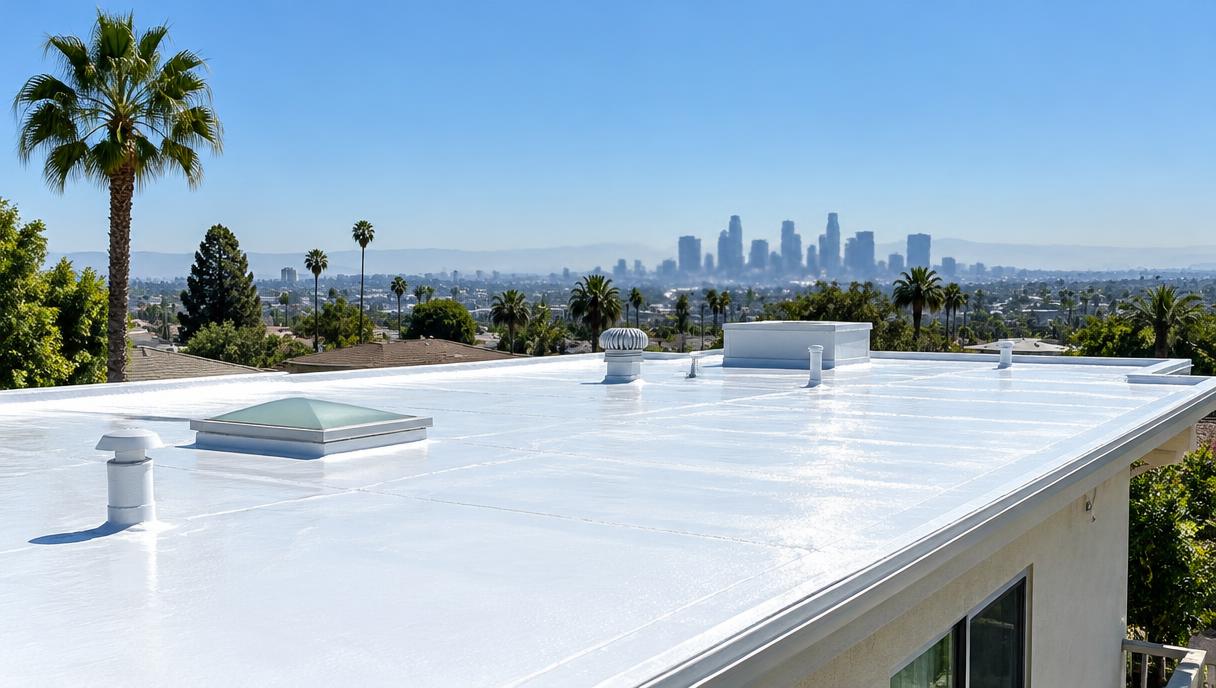
| Flat or low-slope roof | $8,000–$22,000 |
Planning ranges only. Every home is different — your written estimate is itemized after a free in-home visit.
Metal roofing is the one common system we deliberately give no range for: standing-seam and stone-coated steel vary so widely with profile, gauge and roof geometry that a printed number would mislead more than it would help. We price metal roofs per project, the same way we price everything — in writing, itemized.
What sets the price before materials?
Four physical factors move a roof bid more than the shingle brand ever will:
- Roof area and geometry. Roofing is priced by the square — 100 square feet — and a cut-up roof with valleys, dormers and skylights takes more material and far more labor per square than a simple gable.
- Pitch. Steeper roofs are slower and require more safety rigging; beyond a certain pitch, production rates drop sharply.
- Access. A Valley ranch house with a wide driveway stages very differently from a hillside home in Studio City where every bundle moves by hand or crane.
- Stories. Second-story roofs cost more to reach, protect and clean up around.
How do tear-off and decking change the number?
The tear-off is the first real variable. Every existing layer must be removed and disposed of before the new system goes on, and an older Los Angeles home can carry two layers of composition over original wood shake — which also means a solid deck must be laid over the spaced sheathing before any modern roof can be installed. Disposal is priced by weight and volume, so the tear-off line on your estimate is specific to your roof, not a guess.
Decking is the variable nobody can fully see in advance. Dry rot and termite damage around old leaks only reveal themselves once the roof is open. This is exactly why our estimates carry sheathing replacement as a written allowance with a per-sheet price: if your deck is sound, you pay nothing extra; if it is not, the price of fixing it was in your contract from day one. When you compare contractor quotes, this is one of the lines that separates an honest bid from a low one that grows.
What do Title 24 cool-roof rules add?
California’s energy code, Title 24, requires compliant cool-roof products on most re-roofs in the Los Angeles basin and Valley — the full rules, with the reflectance values and the exceptions, are in our Title 24 cool-roof guide. For most homes the cost impact is modest: compliant shingles and membranes are standard stock in Southern California. Where it can matter is when a project uses an exception path — such as adding insulation at the roof deck — which is real added scope, or when a specific designer shingle is not available in a rated version.
The paperwork matters too. Compliant products carry Cool Roof Rating Council ratings, and the permit submittal includes the energy documentation. We handle that as part of every re-roof permit we pull.
How do fire zones and permits affect cost?
Much of hillside Los Angeles sits in a Very High Fire Hazard Severity Zone, and roofs there must be Class A fire-rated assemblies — which most modern systems achieve, but with specific underlayment and edge details that must be shown in the permit documents. If you are unsure of your zone, our roof fire zone lookup tool checks any Los Angeles County address against the official CAL FIRE maps.
The re-roof permit itself is a real line item: plan check and permit fees, plus the inspection. We pull the permit in our name under CSLB #1155602 on every replacement, and you should be wary of any bid that proposes skipping it — the permit is what puts an independent inspector on your roof.
How do the systems compare, driver by driver?
Shingles sit at the low end of the ranges because they install quickly and the material is inexpensive; the variables are tear-off, deck and how cut-up the roof is. Tile costs more because it is heavy — the framing must be verified to carry it — and because the underlayment beneath tile does most of the waterproofing and must be done to a high standard. Flat and low-slope roofs price on membrane type, insulation, drainage corrections and the number of penetrations; a roof with ponding areas needs tapered insulation or crickets that a dry one does not. Metal prices on profile and gauge more than anything else.
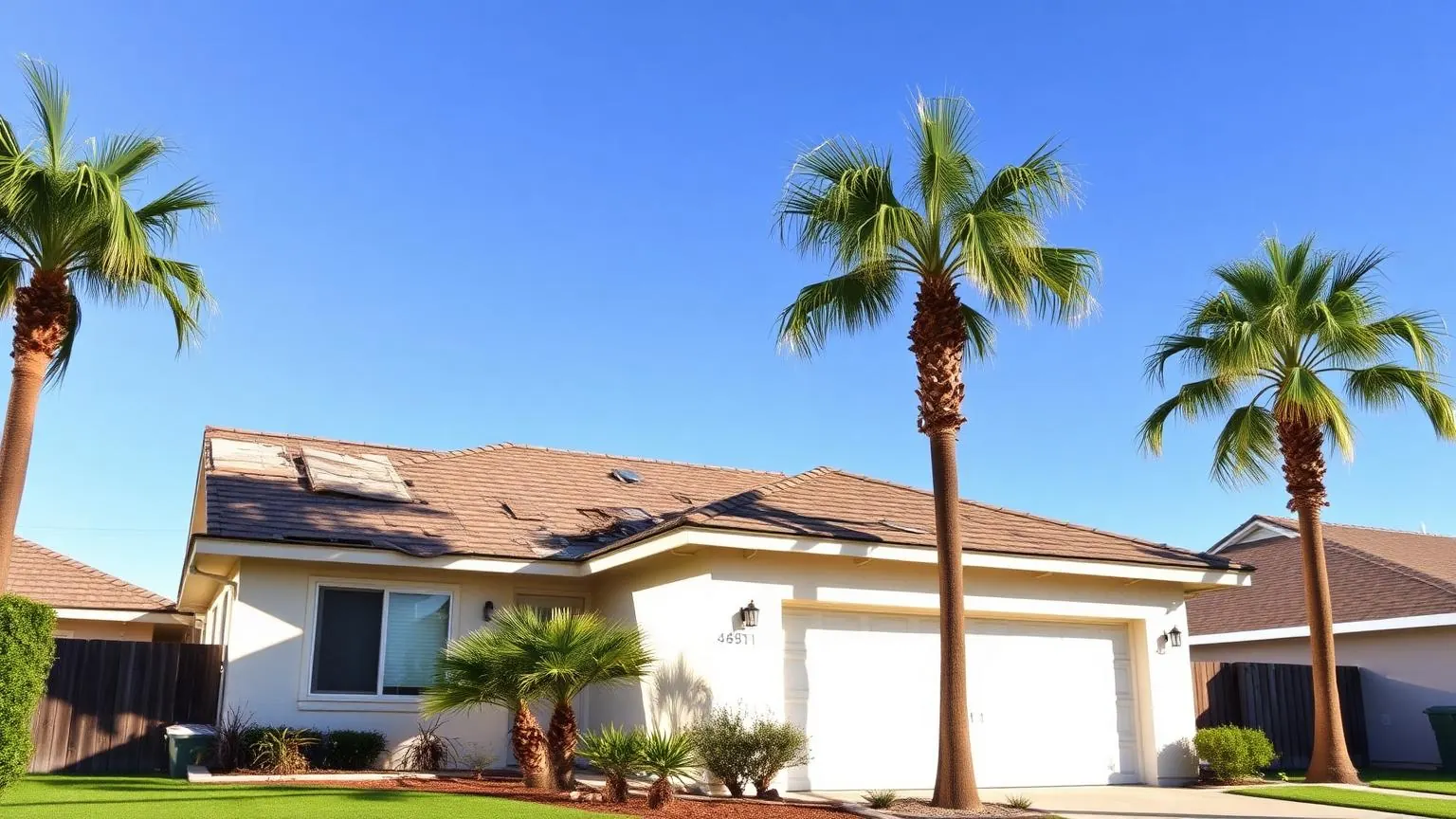
If your roof might survive with repairs, that conversation comes first — our roof repair guide and the published repair ranges on our roof repair page show where repair ends and replacement begins. And if the decision is genuinely close, our guide to the signs a Southern California roof needs replacing walks through how we make the call.
How do you get a real number?
A free inspection. We measure the roof, count the layers, check access and ventilation, look at the deck where it is visible, and give you a written, itemized estimate — materials, labor, allowances and schedule — that you can set beside any other bid and compare line by line. That document is the only honest answer to what your roof will cost.
How should you read a roof estimate?
A roof estimate you can trust reads like a scope of work, not a price tag. It names the roofing product and its rating, states how many existing layers are being removed, lists the underlayment, flashing metals, ventilation components and drip edge as their own lines, carries decking replacement as a priced allowance, and includes the permit and disposal. Labor, materials and schedule are separated so you can see what you are buying.
One more factor belongs in any 2026 conversation: the season. Material prices and crew availability move through the year, and the published ranges assume normal conditions. What never changes is the method — a roof priced from measurements and a written scope beats a roof priced from a driveway glance, whatever the market is doing.
Timing and scope choices matter too. A re-roof scheduled in the dry season moves faster than one racing winter storms, and bundling related work — gutters, fascia repair, skylight replacement, attic insulation — while the roof is open costs less than returning for each item later. The estimate is the right place to see those options priced separately, so you can decide what belongs in this project and what can wait.
The estimates to be careful with share a shape: one line, a round number, and language like "as needed" with no price attached. Those bids are not necessarily dishonest, but they are not comparable — you cannot set them beside an itemized proposal and see where the difference lives. Two itemized bids, read line by line, will tell you almost everything about the contractors who wrote them.
American Reliable Construction & Remodeling replaces roofs across Los Angeles County from our Sherman Oaks office, under CSLB #1155602. Warranty available. Call for details.
Sources
- California Energy Commission — 2022 Building Energy Efficiency Standards
- Cool Roof Rating Council — 2022 Title 24 Cool Roof Requirements Summary
- CAL FIRE — Fire Hazard Severity Zones
Schedule a free roof inspection
Before comparing roof proposals, use our guide to choosing a roofing company in Los Angeles to check licensing, the condition report, permit responsibility, materials and payment terms.
"Call (877) 702-6180 for a free, itemized roof replacement estimate."