Almost nobody in Los Angeles thinks about their roof in August. It has not rained in months, the ceiling is dry, and a roof that is not leaking feels like a roof that is fine. Then the first real storm rolls through in November or December, a brown ring shows up on the living room ceiling, and suddenly every roofer in the county is answering the same phone call at the same time. That is the most expensive moment to need a roof — and it is completely avoidable.
Roofing Is a Seasonal Business — and Summer Is the Quiet Side of It
Roofing demand in Southern California is driven by rain, not by the calendar. When the sky is clear, homeowners have no reason to call. When storms hit, everyone calls at once. That pattern creates two very different markets: an off-peak market where crews have open days and are competing for your project, and a peak market where crews are triaging leaks and cannot fit you in for weeks.
You get to choose which of those two markets you buy your roof in. Summer is the buyer's side of that equation.
Where the Savings Actually Come From
- Competitive bidding: with open calendar space, contractors sharpen their numbers to win work. In a leak rush, they simply do not have to.
- No emergency premium: same-day tarping, after-hours crews, and storm-response call-outs are billed at a premium. Planned work is not.
- Full scope, one mobilization: dry-weather work lets a crew do the whole job in one pass instead of a patch now and a real repair later — you pay for one setup, not two.
- Material availability: shingles, underlayment, and flashing are in stock and not on rush order or storm-season backorder.
- Time to compare: you can collect two or three written estimates and choose calmly, instead of hiring whoever answers the phone with water coming through the ceiling.
- Smaller repair scope: fixing worn flashing and cracked tiles before water gets in is a roofing job. Fixing it after is a roofing job plus drywall, insulation, paint, and sometimes mold remediation.
Actual figures vary by roof size, pitch, material, and condition, but the pattern is consistent: a planned off-season repair is routinely a fraction of what the same homeowner ends up spending after a storm has already found the weak spot. Prices vary — get a written itemized estimate for your specific roof.
Dry Weather Makes for Better Work, Not Just Cheaper Work
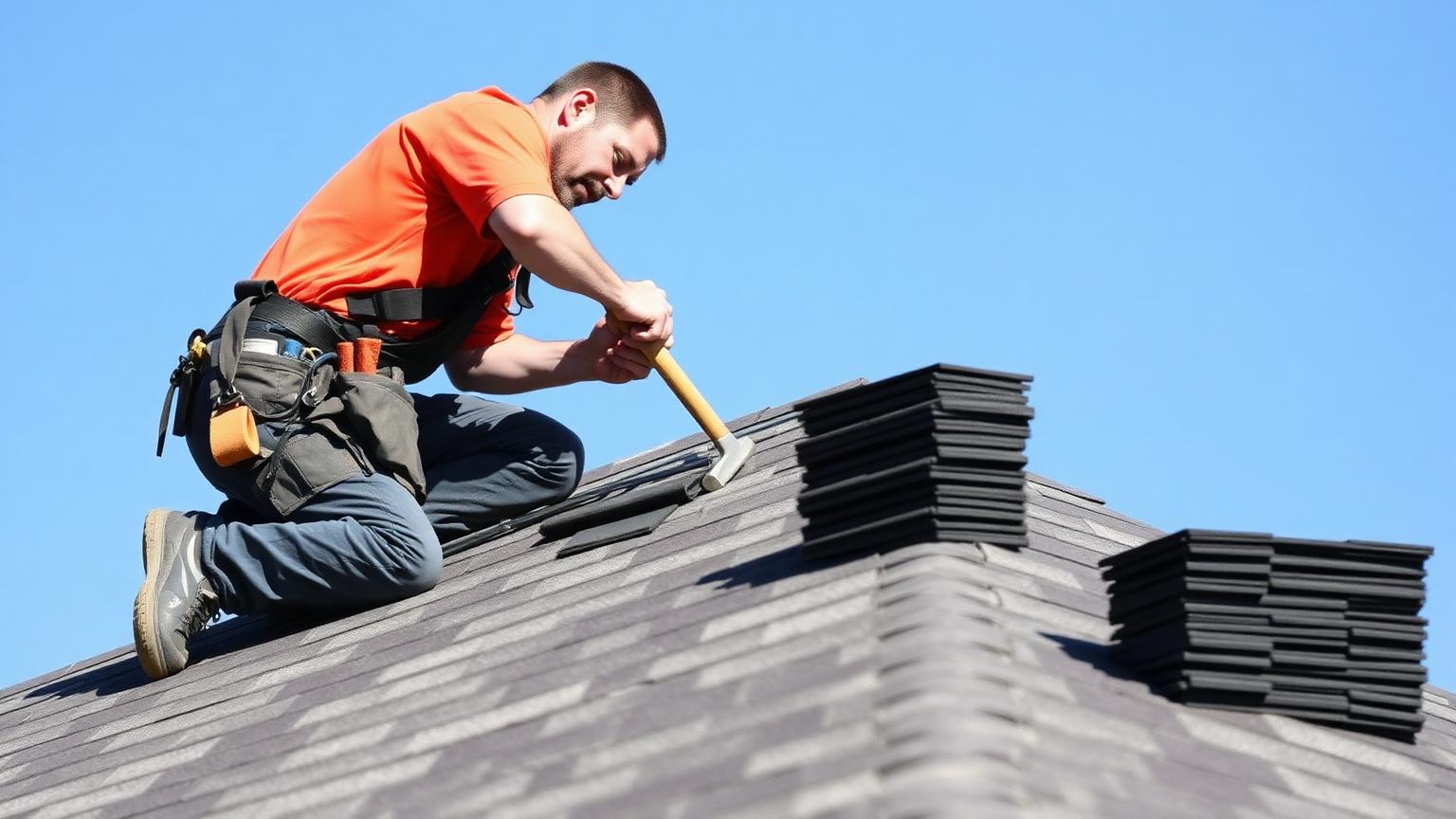
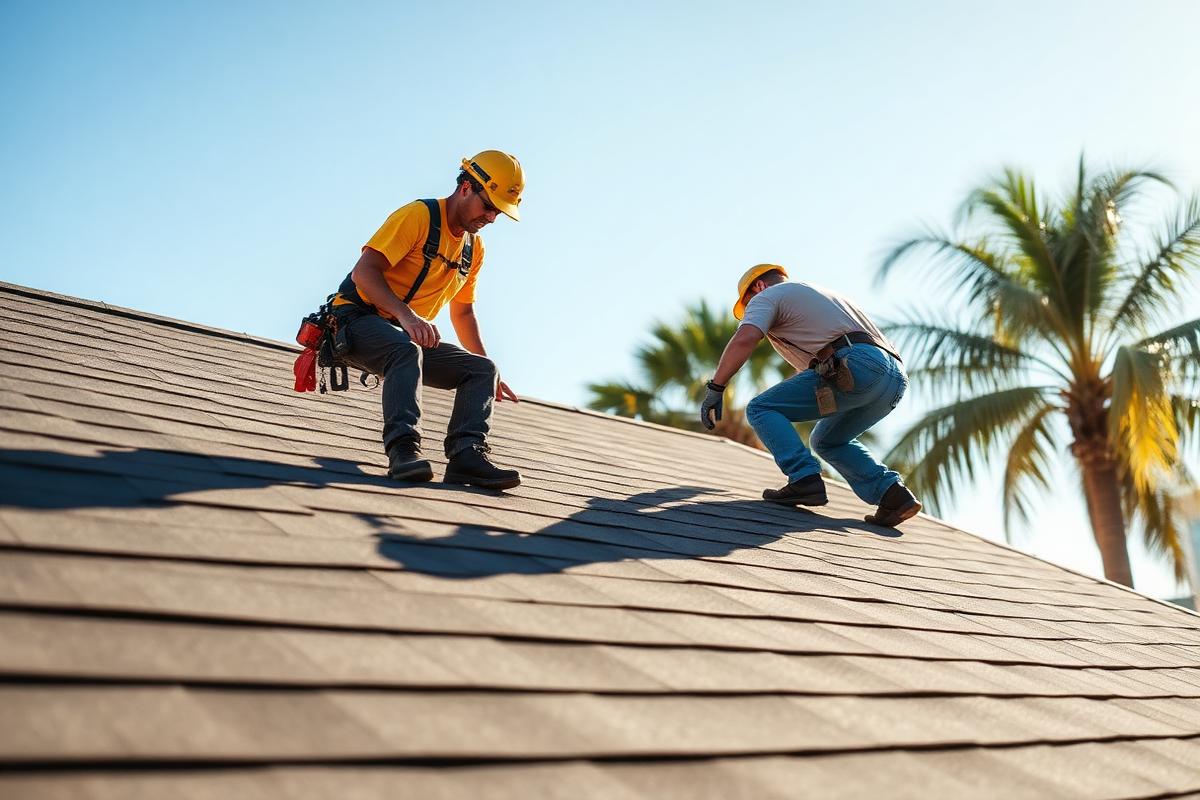
This is the part homeowners underestimate. Roofing materials need dry, stable conditions to be installed correctly. Sealants and adhesives cure properly in warm, dry weather. Underlayment goes down on a dry deck instead of a damp one. Crews can open up a section, inspect the sheathing underneath, and take the time to do it right — because there is no storm forecast forcing them to close the roof back up before dark.
Winter repairs are frequently temporary by necessity. A tarp and a patch in the rain is damage control, not a fix, and you will usually be paying again in the spring for the permanent repair.
What a Summer Roof Readiness Check Should Cover
- Shingles and tiles: cracked, curling, slipped, or missing pieces that will not survive wind-driven rain.
- Flashing: chimneys, skylights, vents, and wall transitions — where the majority of LA roof leaks actually start.
- Valleys: the channels that carry the most water and wear out first.
- Sealants and boots: pipe collars and penetrations dry out and crack under our UV load.
- Gutters and downspouts: clogged gutters back water up under the roof edge during the first heavy storm.
- Attic and decking: stains, soft spots, or daylight visible through the boards.
- Drainage on flat and low-slope roofs: ponding areas and blocked scuppers.
The Sun Damage Nobody Sees
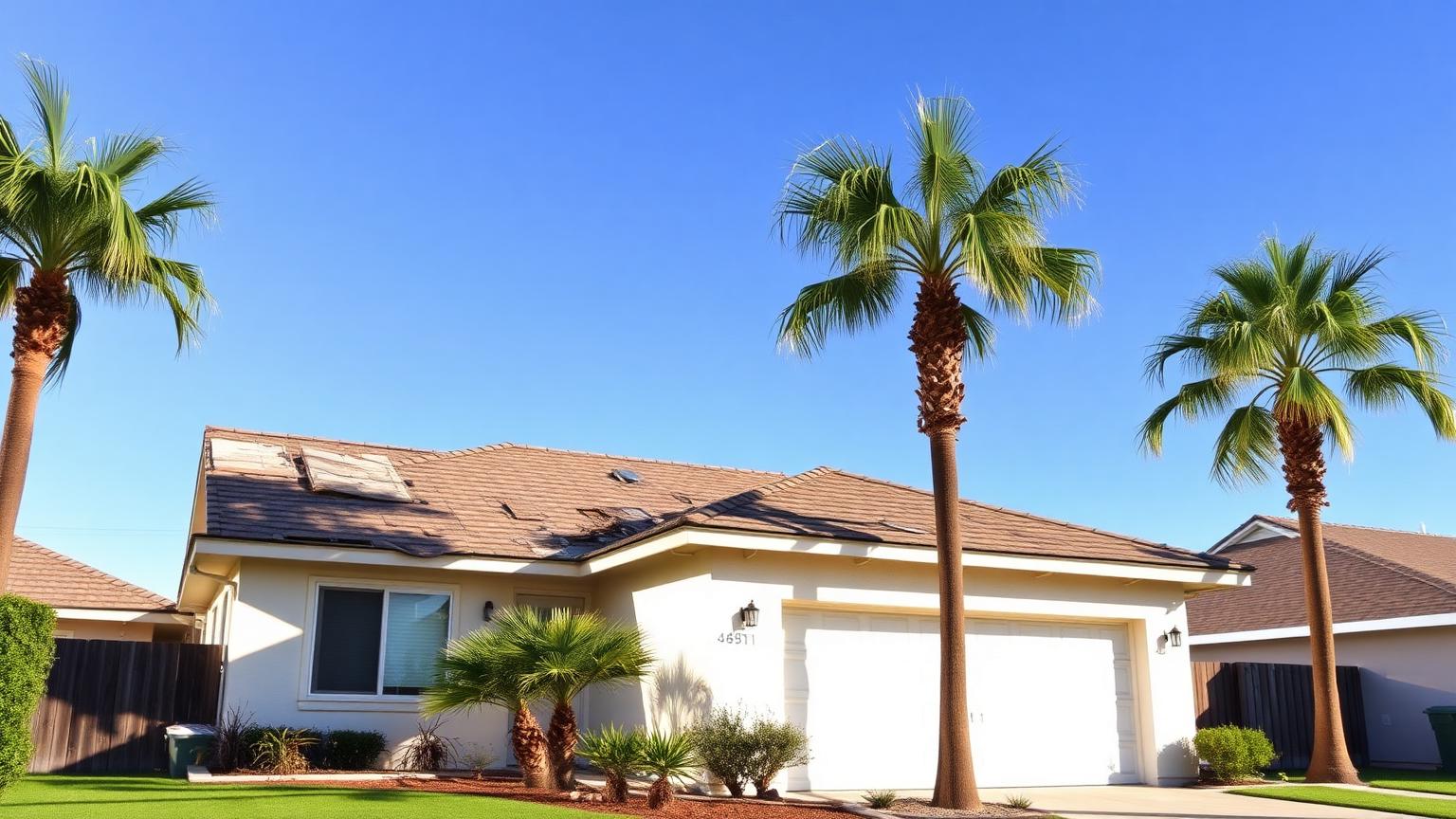
Los Angeles roofs do not usually fail from rain. They fail from months of intense UV exposure and heat cycling that dries out sealants, makes shingles brittle, and lifts flashing — and then the first rain of the season exposes all of it at once. A summer inspection catches that damage while it is still cheap to correct, before water is involved.
Timing: When to Book
Aim to have any roof work completed before late October. Booking in mid-to-late summer gives you room to get estimates, schedule around your own calendar, order materials, and complete the work well ahead of the first storms. Wait until October and you are already competing with everyone else who suddenly remembered the rainy season is coming; wait until December and you are competing with active leaks.
Insurance and Maintenance Records
One more practical benefit: documented, proactive maintenance helps. Insurers generally distinguish between sudden storm damage and long-term neglect, and having dated inspection and repair records for your roof puts you in a much stronger position if you ever do need to file a claim. Coverage terms vary by policy — check yours with your carrier.
"The cheapest roof work you will ever buy is the work you schedule while the sun is out."
Get Ahead of the Rain
American Reliable Construction & Remodeling is a licensed (CSLB #1155602), insured, BBB Accredited contractor serving Los Angeles County. Book your pre-winter roof inspection and repair now, while schedules are open and pricing is competitive. Call us toll-free at (877) 702-6180 for a free, no-obligation estimate. Warranty available. Call for details.
Homeowners across Los Angeles County have rated us 5 stars on Yelp and 5.0 on Google — you can read those reviews below before you call.