On September 9, 1850, California became the 31st state in the Union. Every year on Admission Day we like to pause and appreciate something we work inside of every single day: the way this state builds. In 176 years California has gone from canvas tents and hastily nailed wooden storefronts to some of the most advanced, safest and most energy-efficient construction anywhere on earth. As a Los Angeles design-build company, we're proud to be part of that story — so here is a short one.
The Gold Rush: Building Fast, Building Rough
The state was born in a construction boom. The 1849 Gold Rush brought hundreds of thousands of people to a territory with almost no permanent buildings. San Francisco and Sacramento went up in months, largely out of wood, and they burned down repeatedly. Fires in the early 1850s destroyed large parts of San Francisco more than once, and the response — brick, iron shutters, fire districts and organized fire companies — was California's first real lesson in building codes. Speed was never going to be enough. Buildings had to last.
1906 and 1933: Earthquakes Rewrite the Rulebook
No state has learned more from the ground moving. The 1906 San Francisco earthquake and fire leveled much of the city and forced engineers to study, for the first time at scale, how structures actually fail. The rebuilt city introduced steel-frame construction and reinforced concrete to a wide public. Then in 1933 the Long Beach earthquake damaged or destroyed dozens of unreinforced masonry schools. Within weeks the Legislature passed the Field Act, making California the first place in the country to require earthquake-resistant design and independent plan review for public school buildings. Nearly a century later, no Field Act school has ever collapsed in an earthquake.
Licensing the Trade
As the state grew, so did the need to protect homeowners from unqualified builders. In 1929 California created the Contractors State License Board (CSLB), one of the earliest and still one of the most rigorous contractor licensing systems in the United States. Today every legitimate contractor in the state carries a license number, is bonded, and can be looked up by any homeowner in seconds. Ours is CSLB #1155602, and we encourage every client to verify it — that transparency is part of what makes California construction trustworthy.
Sylmar, Northridge and the Modern Seismic Code
Los Angeles has been the proving ground for modern structural engineering. The 1971 Sylmar earthquake led to the Hospital Seismic Safety Act and the Alquist-Priolo Act, which maps active faults and restricts building on top of them. The 1994 Northridge earthquake exposed hidden weaknesses in welded steel connections and in soft-story apartment buildings, and the fixes developed here were adopted into building codes across the country and around the world. When a home is retrofitted, an ADU is engineered, or a new addition is anchored to its foundation in Sherman Oaks today, it is built to lessons learned a few miles away.
Title 24 and CALGreen: Leading on Energy and the Environment
California's leadership isn't only about safety. Since 1978 the Title 24 Building Energy Efficiency Standards have set the pace for insulation, windows, lighting and HVAC performance in every new home and major remodel. In 2010 California adopted CALGreen, the first statewide mandatory green building code in the nation, and since 2020 most new single-family homes in the state must be built with solar. Home standards that are considered ambitious elsewhere are simply the baseline here. The result: California homes use dramatically less energy per square foot than they did decades ago, even as they've grown larger and more comfortable.
The ADU Revolution
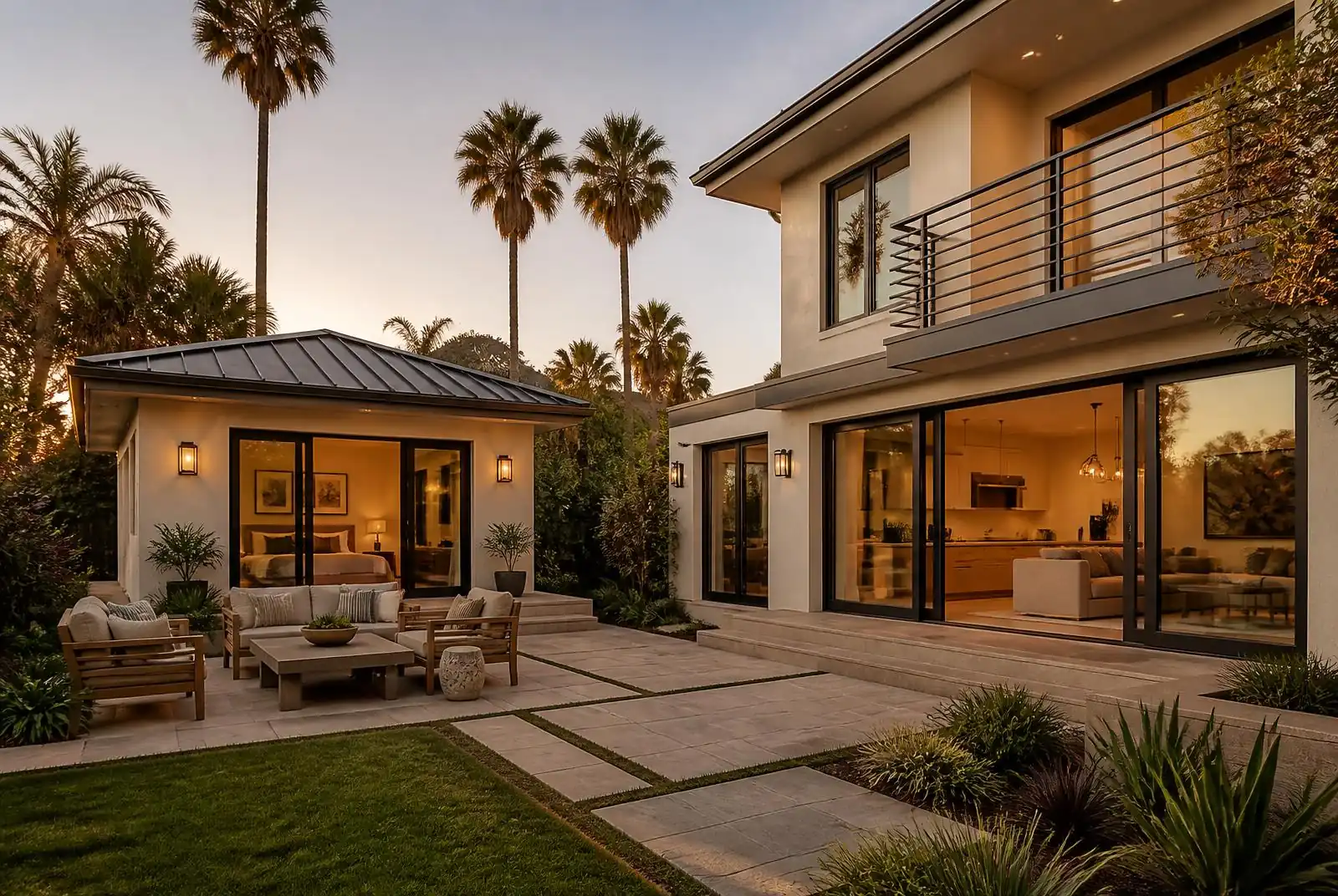
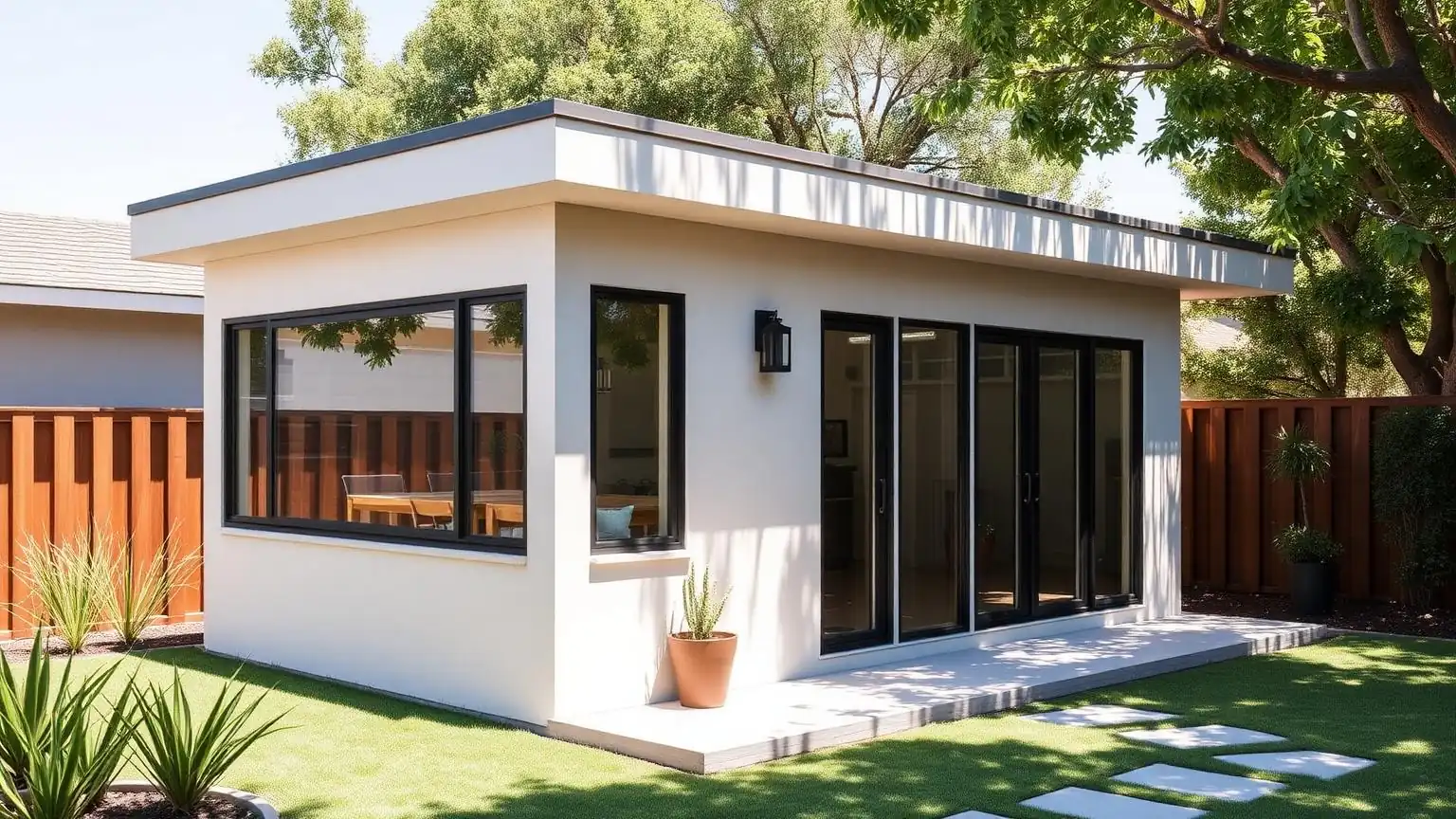
The newest chapter is happening in our own backyards — literally. Beginning in 2017, a series of state laws made it dramatically easier to build accessory dwelling units, and California has since become the world's most active market for backyard homes and garage conversions. Tens of thousands of ADUs are now permitted every year, giving families room for aging parents, adult children, or rental income, and making Los Angeles a global reference point for how established neighborhoods can add housing gracefully.
A World Center for How We Build
Put it all together and California today is recognized worldwide for its construction expertise. Engineers from earthquake-prone countries study our codes. Energy standards written in Sacramento are copied on other continents. Architecture schools, structural engineering firms and building-technology companies based here shape how homes are designed everywhere. And on the ground, the state's licensed contractors work to a standard of inspection, engineering and documentation that few places match.
What This Means for Your Home
For a homeowner in Los Angeles, this history is very practical. It means your kitchen remodel, room addition or ADU is designed, permitted and inspected to some of the highest standards in the world — and it means choosing a contractor who understands those standards is what protects your investment. At American Reliable Construction & Remodeling, we build to California's codes not because we have to, but because they represent 176 years of hard-earned knowledge about how to build homes that are safe, efficient and made to last.
Happy birthday, California. Thank you for teaching the world how to build.
"Planning a remodel, addition or ADU? Call us at (877) 702-6180 or request a free in-home estimate at americanreliablela.com. Licensed, bonded and insured — CSLB #1155602."